Understand the exposure
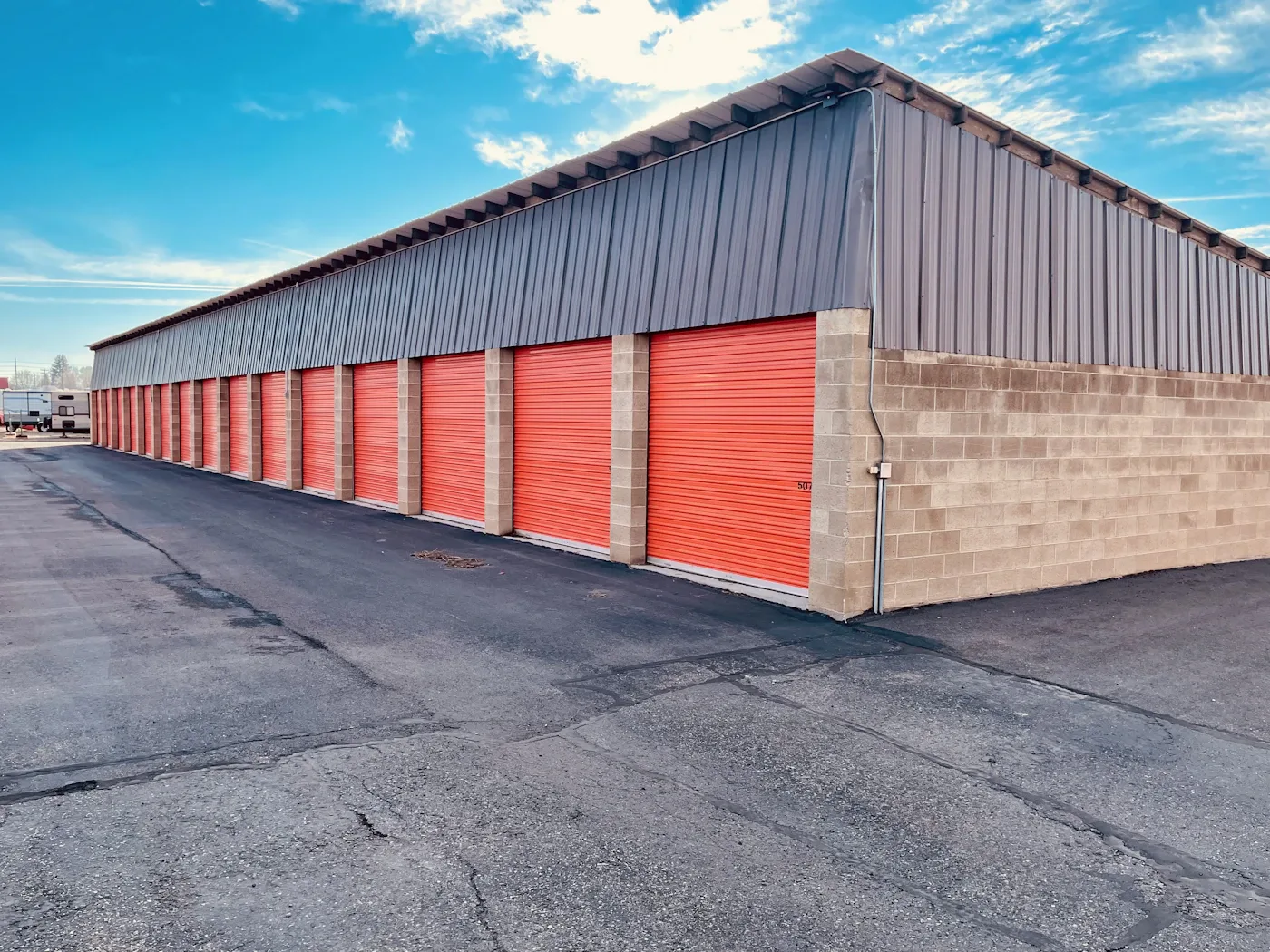
Describe unit construction, climate control, gate systems, hours, surveillance, outdoor storage, and vehicle or boat storage. Identify rental practices and any prohibited materials. The operator’s responsibility can vary with the rental agreement and business practices, so explain whether the operation is self-service storage or includes moving, warehousing, or custody services.
Coverage decisions to examine
Review property, premises liability, rental income, equipment breakdown, and applicable crime or cyber exposures. Ask specifically about customer goods and any legal-liability coverage offered. An owner’s property policy should not be represented as automatically insuring every customer’s contents. Flood, surface water, wind damage, and theft conditions require careful review.
Values, income & recovery
Include gates, fencing, signs, office space, and climate-control equipment in the valuation discussion where appropriate. A damaged access system or common electrical supply can affect many units. Rental-income estimates should use current occupancy and rates, while recognizing that claim payments follow the policy’s covered cause and restoration terms rather than projected occupancy alone.
Prepare the underwriting file
A useful submission makes the property understandable to someone who has never visited it. Reconcile the address, legal ownership, occupancy, and requested effective date across the schedule and application. Explain gaps in information rather than presenting estimates as verified facts.
- Unit counts, construction, occupancy, and rental-income records
- Security, gate-access, drainage, and maintenance procedures
- Rental agreement and any tenant-insurance arrangements
- Climate-control systems, outdoor storage, and loss history
Put the review into practice
Inspect drainage paths and roof condition, maintain access-control records, and document response procedures for suspicious activity or leaks. Review insurance responsibilities before changing the service model or adding vehicle storage. Have qualified counsel review customer agreements and sale procedures; an insurance discussion does not establish the legal enforceability of those documents.
Questions to bring to your review
Does my building policy insure customers’ stored property?
Not automatically. Customer contents, legal liability, and any tenant protection or insurance arrangement need separate evaluation of the contracts and policy wording.
What if I add climate-controlled units?
Report the change. Construction, electrical capacity, equipment breakdown, maintenance, and the expected effect of temperature or humidity failures may alter the underwriting discussion.
Educational information only. Actual policy wording, underwriting and applicable jurisdiction govern. Reviewed October 27, 2026.