Understand the exposure
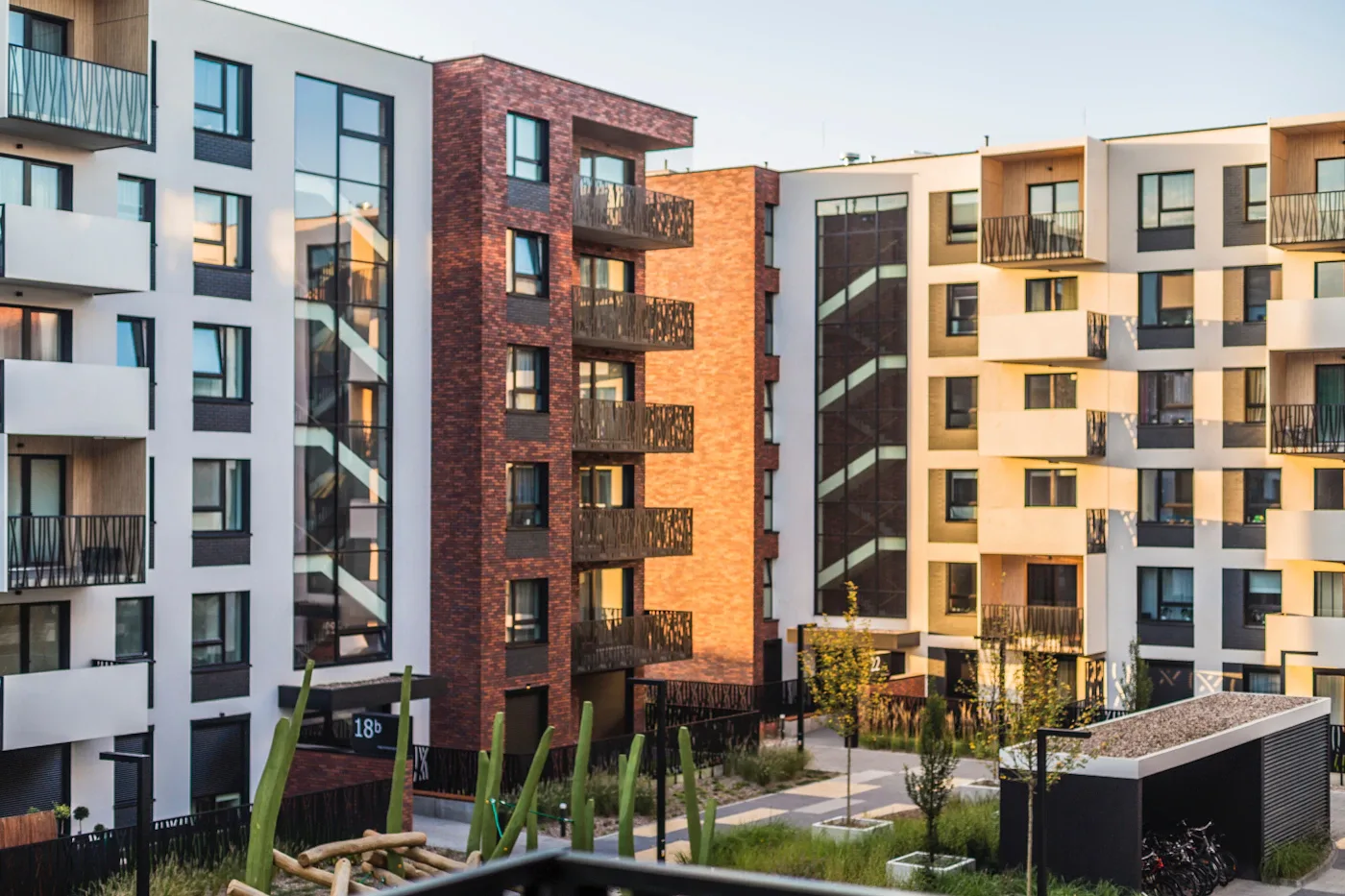
Start with building construction, age, roof condition, electrical and plumbing systems, fire protection, and occupancy. Explain who owns and manages the property and who performs maintenance. Pools, playgrounds, elevators, parking, laundry rooms, and other amenities deserve specific attention. Unit count alone does not determine the appropriate policy, required limits, or available insurer.
Coverage decisions to examine
Review building coverage, general liability, rental-value protection, and excess liability together. Then examine catastrophe, equipment breakdown, ordinance or law, water damage, and environmental questions. Ask about exclusions or restrictions involving habitability, assault and battery, animal exposures, and particular building conditions. Resident renters insurance is separate from the owner’s coverage and should not be treated as a replacement for it.
Values, income & recovery
Reconstruction values should reflect current rebuilding costs and building characteristics rather than the acquisition price. Income analysis should begin with a current rent roll, lease arrangements, continuing expenses, and realistic restoration scenarios. A major loss can involve permitting, contractor availability, and system replacement. Neither a universal twelve-month income limit nor a fixed deductible fits every apartment investment.
Prepare the underwriting file
A useful submission makes the property understandable to someone who has never visited it. Reconcile the address, legal ownership, occupancy, and requested effective date across the schedule and application. Explain gaps in information rather than presenting estimates as verified facts.
- Building schedule with unit counts, construction, stories, and values
- Roof, plumbing, electrical, heating, and fire-protection update records
- Current rent roll, occupancy history, and lender requirements
- Loss runs with explanations of repairs and preventive measures
Put the review into practice
Keep inspection, maintenance, and incident records that show how the property is operated. Report changes such as renovations, extended vacancy, new amenities, and ownership changes promptly. At renewal, compare meaningful differences in policy terms as well as premium. Request a consultation with the actual property data and the questions your current program leaves unresolved.
Questions to bring to your review
Does a certain unit count always require a commercial policy?
There is no single rule that should be applied across every insurer, product, and jurisdiction. The property, ownership, occupancy, and available forms must be reviewed.
Will a tenant’s renters policy pay for my building loss?
Do not assume it will. Renters insurance and the owner’s building policy address different interests. Liability recovery depends on facts, law, and applicable coverage.
Educational information only. Actual policy wording, underwriting and applicable jurisdiction govern. Reviewed October 27, 2026.