Understand the exposure
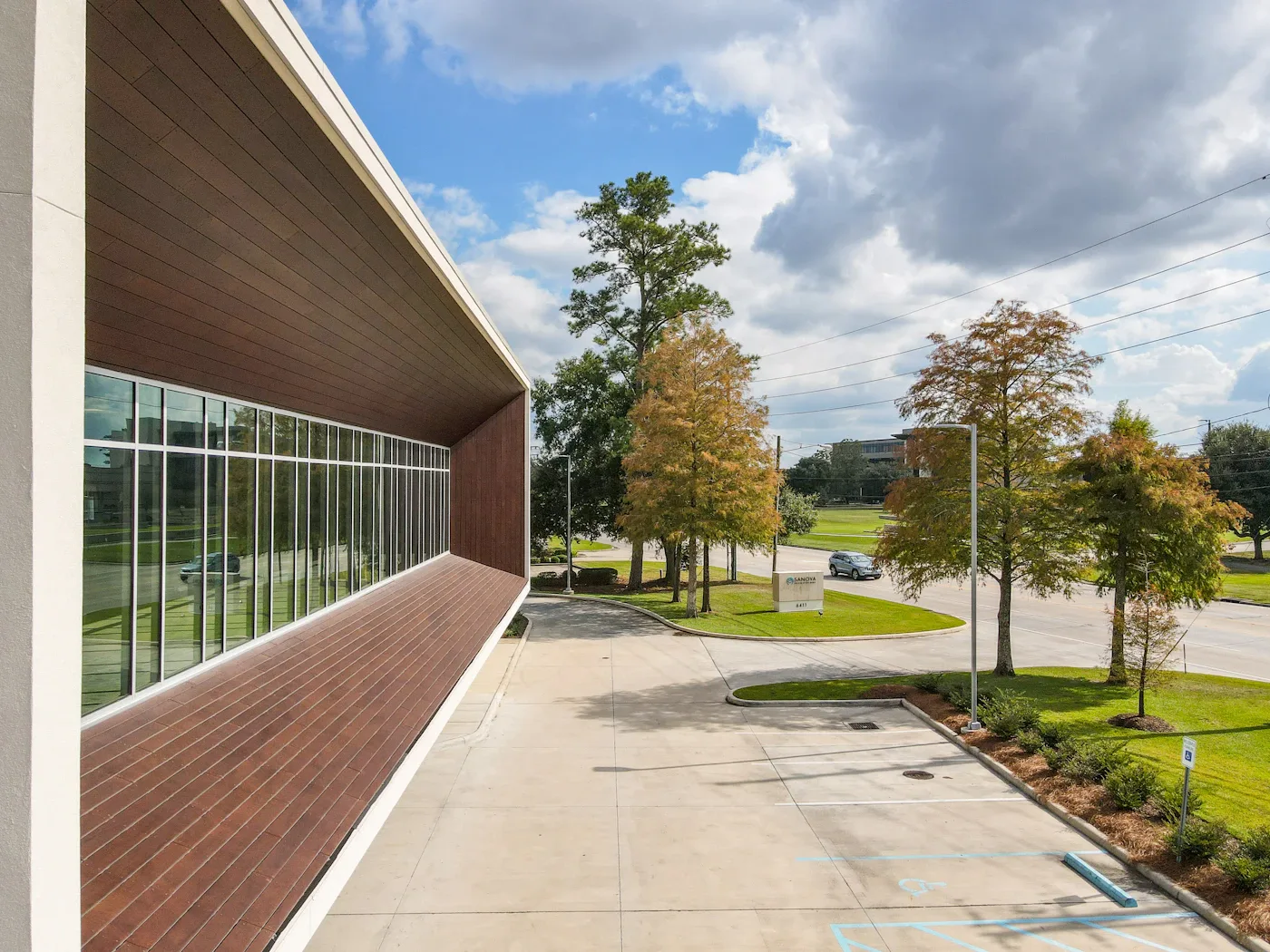
Document the tenant mix and whether space is used for ordinary offices, outpatient procedures, laboratories, imaging, or other clinical services. Shared corridors, parking, elevators, and accessibility features create operational responsibilities for the owner or manager. A medical tenant’s professional liability is distinct from the owner’s premises exposure.
Coverage decisions to examine
Review building coverage, tenant improvements, general liability, rental value, and equipment breakdown. Ask how water damage, service interruption, and property in shared mechanical spaces are addressed. Clarify whether expensive improvements belong to the landlord or tenant. Professional services and pollution-related events may require separate analysis rather than reliance on the owner’s general liability.
Values, income & recovery
Central HVAC, elevator equipment, electrical distribution, and custom interiors can complicate reconstruction. Rental-income analysis should consider lease abatement provisions and how quickly tenants could return after building repairs. A physically restored shell may not be ready for clinical occupancy; the policy’s restoration definition and applicable extensions need review.
Prepare the underwriting file
A useful submission makes the property understandable to someone who has never visited it. Reconcile the address, legal ownership, occupancy, and requested effective date across the schedule and application. Explain gaps in information rather than presenting estimates as verified facts.
- Tenant roster with the actual use of every suite
- Building-system service records and completed capital upgrades
- Schedule of landlord-owned improvements and equipment
- Lease insurance clauses, occupancy levels, and current rental values
Put the review into practice
Retain maintenance records and establish a process for reporting leaks, system failures, and tenant alterations. Coordinate contractor access and impairment procedures with management. When a new medical tenant proposes a build-out, review the project and insurance responsibilities before work begins. Discuss any extended vacancy or conversion plans promptly with the broker.
Questions to bring to your review
Does an owner need medical malpractice insurance for a medical tenant?
The tenant’s clinical operations and the owner’s premises responsibilities are different exposures. Review ownership, contracts, and actual services; do not assume one policy covers both.
Who insures interior improvements?
Check ownership, lease language, and property definitions. The answer can change between original landlord construction, tenant-paid improvements, and replacement obligations after damage.
Educational information only. Actual policy wording, underwriting and applicable jurisdiction govern. Reviewed October 27, 2026.