
Understand the exposure
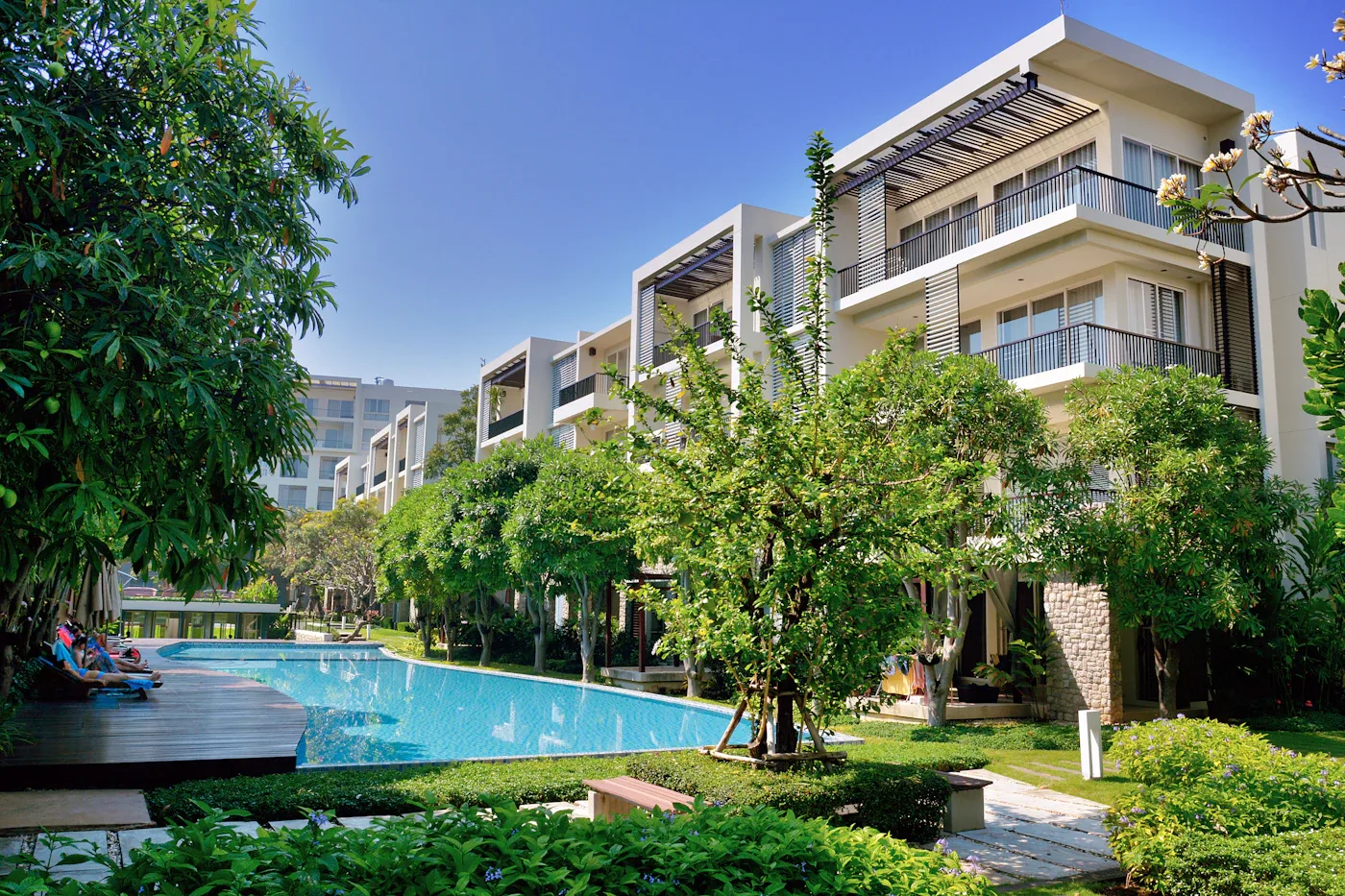
Describe construction and roof age separately for each building, even when the community was developed as one project. Identify breezeways, exterior stairs, balconies, detached garages, laundry facilities, pools, and playgrounds. Landscaping, drainage, irrigation, and exterior lighting influence the maintenance discussion. A single address can conceal meaningful differences in condition and protection across the site.
Coverage decisions to examine
Compare building limits, detached-structure treatment, premises liability, rental income, and catastrophe deductibles. Ask whether a weather event affecting several structures produces one deductible or multiple applications under the offered wording. Review water-damage terms and any conditions concerning plumbing, freezing, protective systems, or vacant units. Liability exclusions should be evaluated against the actual amenities and operations.
Values, income & recovery
Use a complete structure schedule rather than only the total unit count. Include covered property outside the apartment buildings where appropriate, and distinguish landlord-owned furnishings from resident belongings. Restoration planning should consider whether utilities, access, or common facilities would prevent occupancy in otherwise undamaged buildings. Coverage for those consequences depends on the policy’s trigger and extensions.
Prepare the underwriting file
A useful submission makes the property understandable to someone who has never visited it. Reconcile the address, legal ownership, occupancy, and requested effective date across the schedule and application. Explain gaps in information rather than presenting estimates as verified facts.
- Site plan and separate schedule of apartment and ancillary structures
- Roof ages, construction details, and major system upgrades by building
- Pool, playground, stair, balcony, and exterior inspection procedures
- Rent roll, occupancy, loss history, and drainage or freezing incidents
Put the review into practice
Create a consistent inspection process across every building and shared area. Track repairs with dates and responsible parties instead of relying on informal reports. Review storm preparation, freeze response, and emergency water shutoffs with maintenance staff. Qualified specialists should assess structural and fire-protection questions; the insurance review does not certify building safety or regulatory compliance.
Questions to bring to your review
Can all buildings be listed under one value?
The insurer may require building-level values even within a combined arrangement. Accurate detail helps evaluate limits, deductible application, and catastrophe concentration.
Are detached garages automatically covered?
Not necessarily. Confirm that each structure and the owner’s interest are included in the property description and covered-property provisions.
Educational information only. Actual policy wording, underwriting and applicable jurisdiction govern. Reviewed October 27, 2026.