Understand the exposure
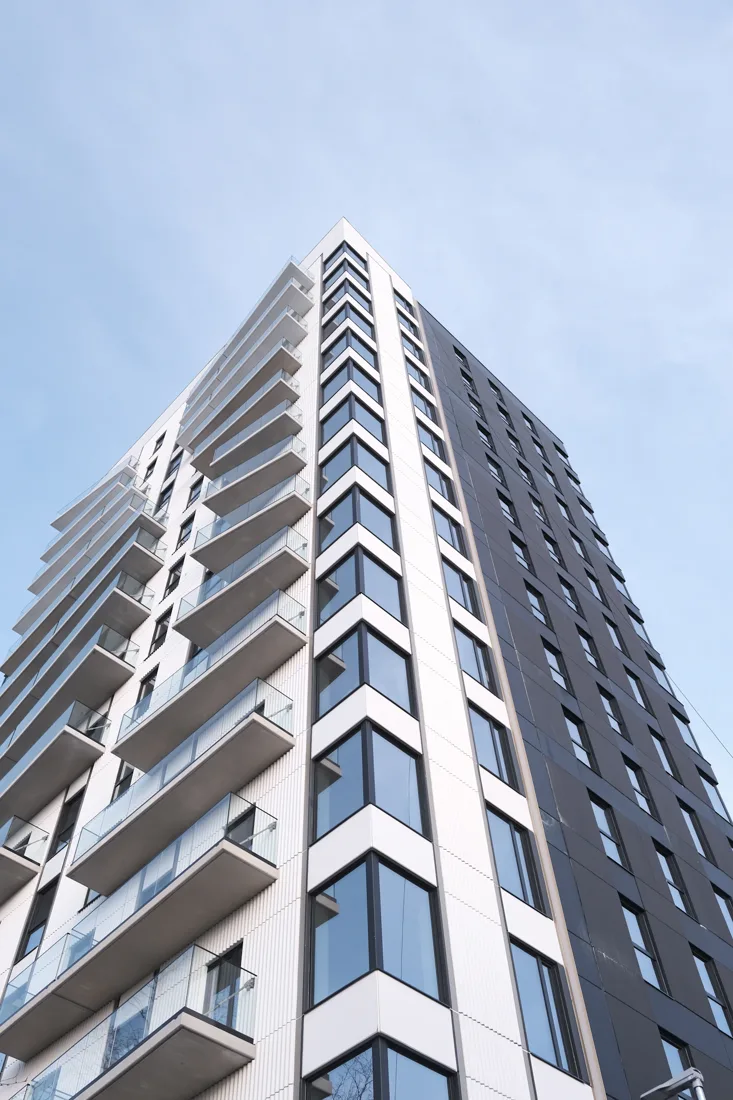
Document construction, height, fire protection, alarms, elevators, emergency systems, and the location of mechanical equipment. Plumbing leaks can affect several units vertically, while a central-system failure can interrupt use of otherwise undamaged apartments. Explain staffing, maintenance arrangements, parking structures, and amenities. Engineering and life-safety evaluations belong with qualified professionals.
Coverage decisions to examine
Review property, general liability, rental value, equipment breakdown, and ordinance or law as related but distinct protections. Ask about water-damage deductibles, elevator or mechanical equipment, code-related work, and limits for additional expense. The existence of building insurance does not establish coverage for every equipment failure, evacuation, or access restriction; the specific cause and wording matter.
Values, income & recovery
Reconstruction analysis should consider vertical access, specialized contractors, debris handling, and long-lead components. A repair affecting a main riser or electrical distribution may require work beyond the visibly damaged unit. Evaluate restoration assumptions and the policy’s treatment of code enforcement or extended income loss. A lender’s required limit should be compared with the owner’s actual exposure.
Prepare the underwriting file
A useful submission makes the property understandable to someone who has never visited it. Reconcile the address, legal ownership, occupancy, and requested effective date across the schedule and application. Explain gaps in information rather than presenting estimates as verified facts.
- Construction, stories, area, unit mix, and current building values
- Elevator, fire-protection, plumbing, and electrical inspection records
- Central-system maintenance contracts and emergency response procedures
- Rental-income worksheet, loss history, and lender insurance provisions
Put the review into practice
Maintain accessible records of system inspections and completed corrective work. Establish a documented leak-response process and identify emergency shutoff locations. Coordinate contractor work, system impairments, and resident communications. At renewal, explain major upgrades with evidence and ask the broker to identify any coverage conditions tied to protective systems or maintenance representations.
Questions to bring to your review
Does equipment breakdown replace property coverage?
No. It addresses defined equipment events under its own terms. Building damage from other causes, income consequences, and exclusions still require a coordinated review.
Is evacuation automatically a rental-income claim?
No. Coverage depends on the reason for evacuation, applicable triggers, covered damage or extensions, and policy conditions. An order alone does not establish payment.
Educational information only. Actual policy wording, underwriting and applicable jurisdiction govern. Reviewed October 27, 2026.