
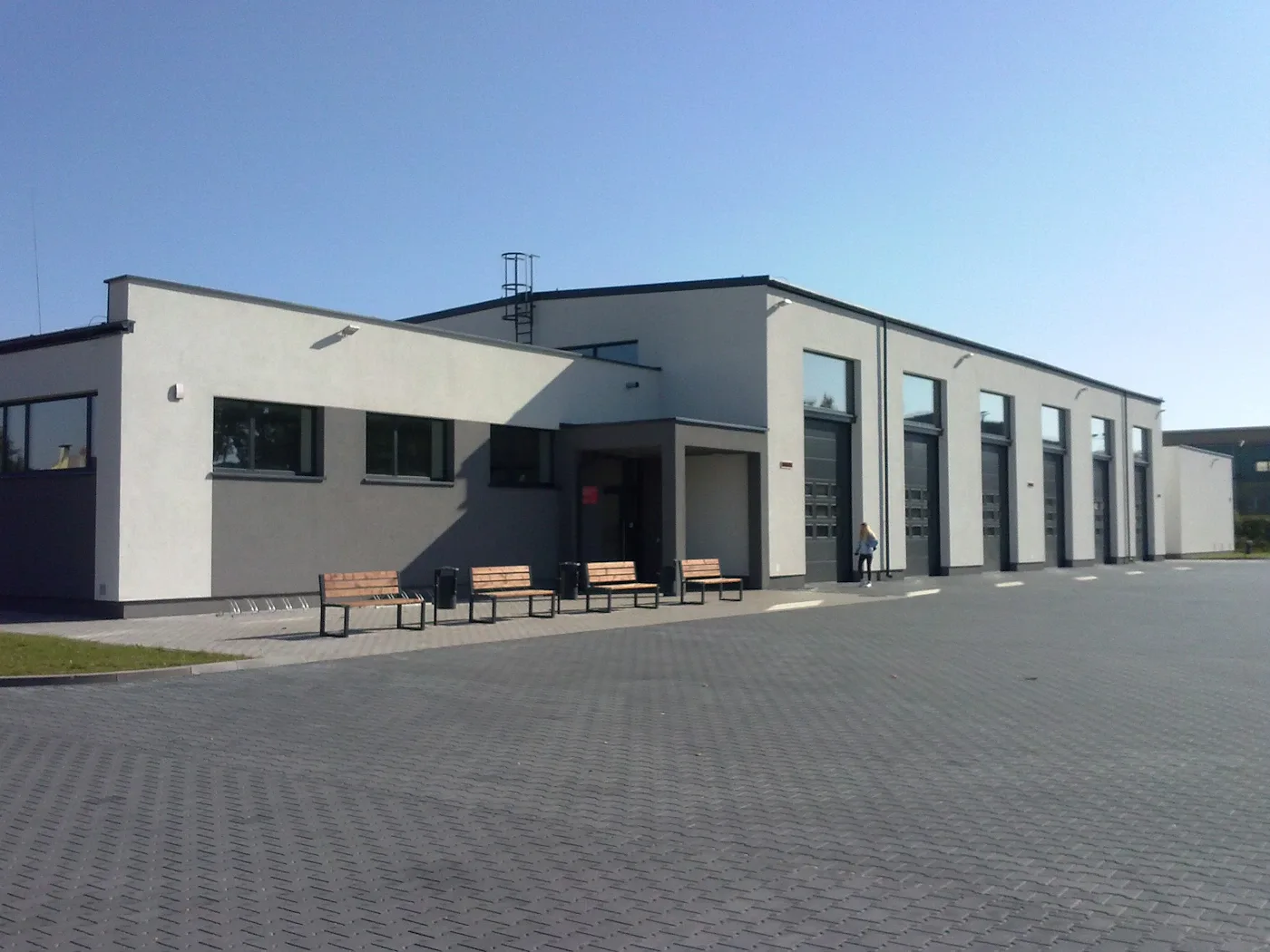
Understand the exposure
Create a suite-by-suite picture of operations and space allocation. Describe fabrication, repair, distribution, laboratories, cooking, public access, and outside storage where present. Shared yards, parking, utilities, and loading zones create responsibilities that may sit with the owner even when individual suites are leased independently.
Coverage decisions to examine
Review property classifications and liability terms against all activities. Ask how an insurer treats tenant changes, vacant suites, protective systems, and work performed by tenants. Clarify building versus tenant-improvement ownership and any restrictions concerning higher-hazard operations. Do not treat the label business park as a complete underwriting description.
Values, income & recovery
Multiple low-rise buildings can have different construction, roof ages, and replacement values. A blanket arrangement should be evaluated for its limits and conditions rather than assumed to eliminate valuation concerns. Income review should consider shared utility outages and access limitations, as well as the rent and continuing expenses associated with each structure.
Prepare the underwriting file
A useful submission makes the property understandable to someone who has never visited it. Reconcile the address, legal ownership, occupancy, and requested effective date across the schedule and application. Explain gaps in information rather than presenting estimates as verified facts.
- Suite roster showing actual operations and occupied area
- Building-by-building values, construction, and roof history
- Shared-system responsibilities and tenant alteration controls
- Property loss runs, rent schedule, and lease insurance requirements
Put the review into practice
Use leasing and property-management records to identify operational changes promptly. Establish who reviews proposed tenant activities and who informs the insurance broker. Document repairs to shared roads, drainage, and loading areas. An accurate schedule helps avoid discovering at claim time that the actual operation differs from the original application.
Questions to bring to your review
Does office space in a flex building change the insurance approach?
It can. Underwriting considers the entire mix of uses, construction, separation, and protection. The relative area and actual operations should be disclosed.
Are all buildings treated identically under one policy?
Not necessarily. Limits, deductibles, classifications, and coverage restrictions may differ by location or building even within the same program.
Educational information only. Actual policy wording, underwriting and applicable jurisdiction govern. Reviewed October 27, 2026.